

Hi everyone! I hope you’re having a great week! Wishing you and your families a very happy Thanksgiving filled with good food, time together, and plenty to be thankful for. Have a safe and wonderful holiday!
This weeks topics include:
- Wishing You a Happy Thanksgiving!
- Senate Republicans Push for Legislation to Expand Healthcare Options for State Retirees
- Celebrating Illinois Small Businesses
- Connecting with Communities Through Local Food Pantry Visits
- New Illinois Law Addresses E-Bike and Electric Mobility Safety
- Illinois Firearm Deer Hunting Season
- November Recognizes National Diabetes Month

Wishing You a Happy Thanksgiving!
As we celebrate Thanksgiving, I want to wish everyone across the 53rd District a happy and safe holiday. I hope you have the opportunity to spend time with family and friends, enjoy a good meal, and reflect on what you are thankful for. I am grateful for the opportunity to serve our communities and appreciate everyone who continues to make our district a great place to call home. Happy Thanksgiving!
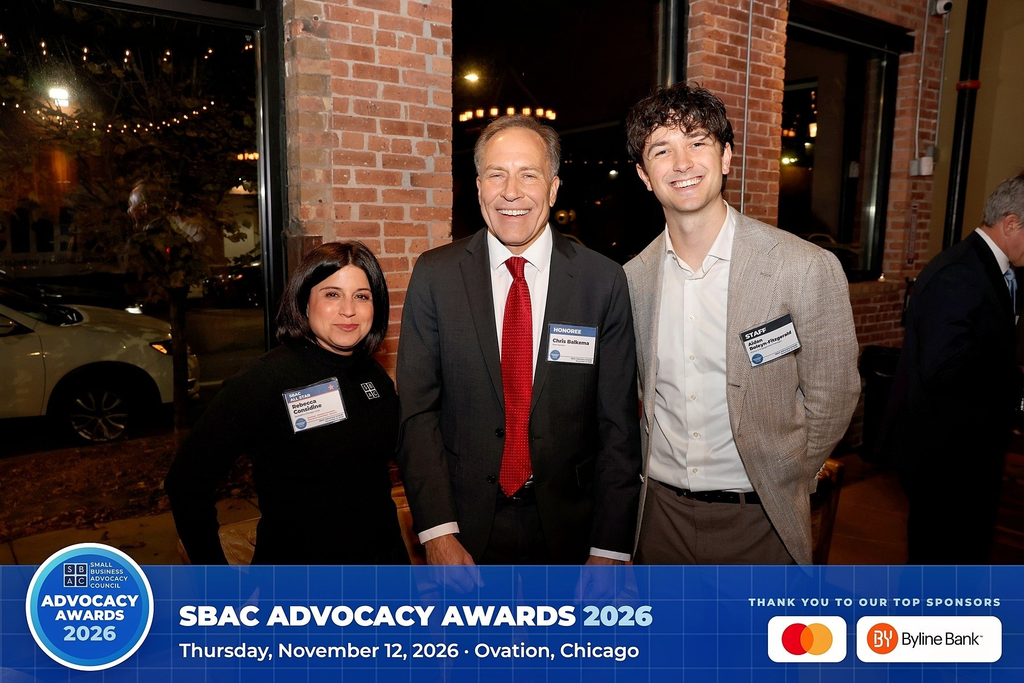
Celebrating Illinois Small Businesses
I had the opportunity to attend the Small Business Advocacy Council (SBAC) Awards, celebrating the small businesses and entrepreneurs who make a difference in our communities. Small businesses play an important role in creating jobs, supporting families, and strengthening our local economies. It was great to connect with business owners and community leaders, recognize their accomplishments, and hear more about the issues impacting small businesses across Illinois.
New Illinois Law Addresses E-Bike and Electric Mobility Safety
As the use of electric bicycles, scooters, and other motorized mobility devices continues to grow, so do concerns about the safety of children and teens who ride them. Accidents involving these devices can result in serious injuries and, in some cases, fatalities.
Beginning January 1, 2027, a new Illinois law will address gaps in existing regulations as advances in technology have introduced faster and more powerful electric bicycles, scooters and other mobility devices that were not previously addressed under state law. The legislation establishes clearer classifications, additional safety requirements and a more consistent statewide framework to help protect riders, pedestrians and motorists.
The law also aims to address inconsistencies in how municipalities regulate these devices. As communities across Illinois have adopted varying rules, the lack of uniformity has created confusion for riders and challenges for law enforcement. The legislation establishes clearer classifications and a more standardized approach to regulation across the state.
Key changes taking effect January 1, 2027, include:
Low-Speed Electric Bicycles (up to 28 mph)
Class 1 (motor only works when the rider is pedaling; no throttle)
- Riders must be at least 15 years old
- Allowed on streets, bike lanes, bike paths, and shared-use trails
- Prohibited on sidewalks
Class 2 (motor can power the e-bike without pedaling)
- Riders must be at least 15 years old
- Allowed on streets, bike lanes, bike paths, and shared-use trails
- Prohibited on sidewalks
Class 3 (motor only works when pedaling; the fastest current classification)
- Riders must be at least 16 years old
- Must be 18 years old to have a passenger that is not a family member
- Allowed on streets, bike lanes, bike paths, and shared-use trails
- Prohibited on sidewalks
High-Speed Electric Bicycles (has an electric motor of 750+ watts [one horsepower] and can travel over 28 mph)
- Regulated as a motor-driven cycle
- Rider must have a valid driver’s license, title, registration, and insurance
- Prohibited on sidewalks, bike lanes, and bike paths
High-speed micromobility devices (electric scooters, electric skateboards, electric unicycles)
- Riders must be at least 16 years old
- Prohibited from operating over 28 mph on roads, bike lanes, bike paths, and sidewalks.
By establishing clearer rules and a more consistent approach to regulation, the new law aims to improve safety, reduce confusion for riders and provide law enforcement with clearer guidelines. Knowing the law and establishing safe riding habits can help prevent avoidable accidents and protect everyone who shares our roads and pathways.
For more information about the new law and its requirements, visit the Illinois Secretary of State’s Frequently Asked Questions.
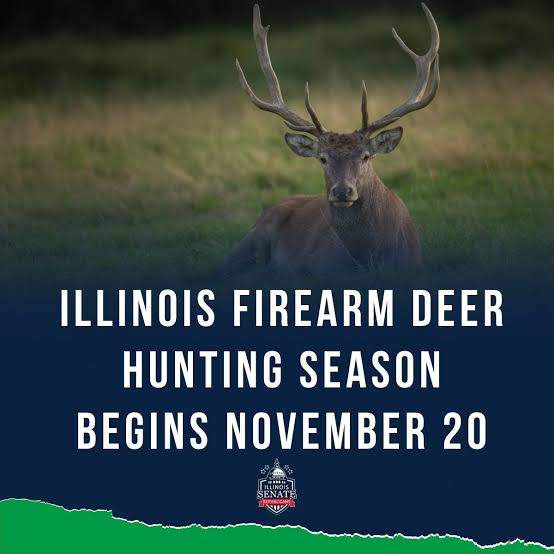
Illinois Firearm Deer Hunting Season
Illinois’ firearm deer hunting season started on November 20, with hunters across the state heading into the field.
The 2026 firearm deer season will take place November 20 through November 22 and December 3 through December 6. The muzzleloader-only deer season is scheduled for December 11 through December 13, although hunters with a valid muzzleloader permit may also use a muzzleloading rifle during the second firearm season.
As hunters prepare for the upcoming season, the Illinois Department of Natural Resources (IDNR) is reminding everyone to make safety a top priority. In previous years, IDNR has reported that tree stands are the leading cause of hunting-related accidents and fatalities in Illinois. Falls from tree stands can result in serious injuries, including broken bones, spinal injuries, paralysis, and even death.
To help prevent accidents, IDNR recommends that hunters always use a fall arrest system with a safety harness when hunting from a tree stand. Hunters should also inspect their stands for wear and tear before each use and use a haul line to safely raise unloaded firearms, bows, and other equipment.
Additional safety precautions include carrying a cell phone, informing a friend or family member of your hunting location and expected return time, and avoiding drugs and alcohol before and during a hunt.
For more information about hunting regulations and safe hunting practices, visit IDNR’s Hunter Safety Website.
November Recognizes National Diabetes Month
November is National Diabetes Month, a month to bring attention to the risks of and provide education on the management and prevention of diabetes in America.
According to the American Diabetes Association, over 40 million Americans are affected by the devastating consequences of diabetes, 1.5 million Americans are diagnosed each year, and 12 percent of Americans are living with diabetes today.
This month serves as an opportunity to support individuals affected by diabetes, improve access to reliable information on how to manage diabetes, highlight the differences between type 1 and type 2 diabetes, and avoid misleading generalizations about the disease.
While diabetes can look different depending on your body and type, it affects your body’s ability to produce or use insulin, a hormone which allows your body to turn glucose into energy. Diabetes can be effectively managed when diagnosed early, however, when left untreated, it can lead to severe complications.
In order to manage or prevent diabetes, the National Institute of Diabetes and Digestive Kidney Diseases encourages individuals to know your risk for developing diabetes, manage your blood glucose, blood pressure, and cholesterol levels, incorporate healthy lifestyle habits, maintain a healthy weight, take medications on time, prioritize your mental health, and work with your health care team.
Have a great rest of your week! If you ever need anything, please reach out to my office! We are happy to help! See locations and contacts below.
Yours truly,
Senator Chris Balkema